Power transformer & switchgear sourcing
Find the transformer your project is waiting on.
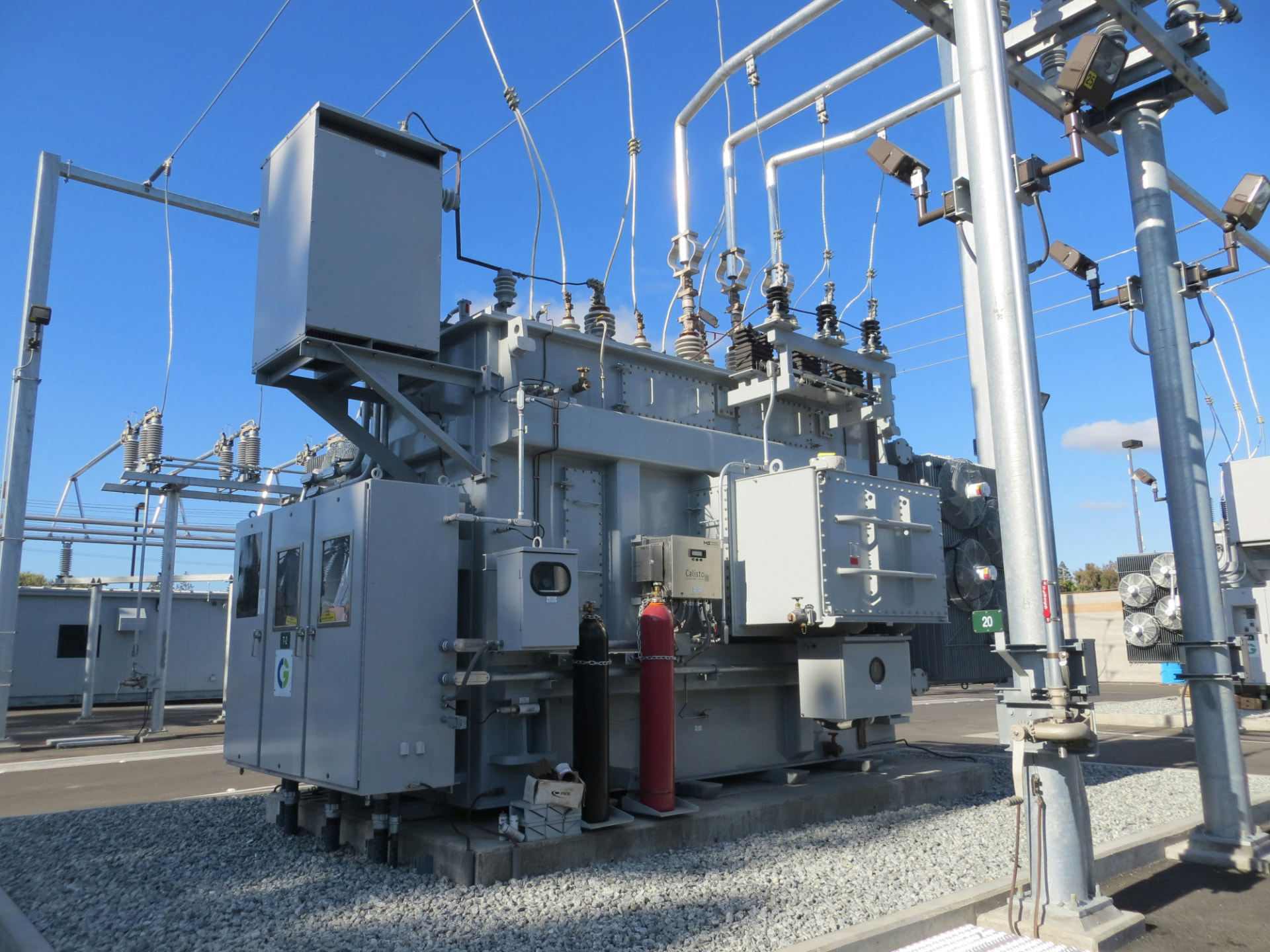
New large power transformers are quoting three to four years. There is often a unit that would work sitting in a yard somewhere, or a production slot another buyer has given up. We find those options and check them before you spend time on them.
We run every search under our name, so sellers don't know who the buyer is.
Sources: Wood Mackenzie Q2 2025 survey, as reported by POWER Magazine; Wood Mackenzie, 2025.
How we work
How we run a search
Most equipment searches go to the same three or four suppliers, plus whichever brokers call back. We start wider. For each search we build a list of everyone who could plausibly have the equipment, contact them in parallel, and keep a record of every answer.
Industry network
Developers with cancelled projects, utilities holding spares, IPPs and EPCs. A lot of surplus equipment in this market changes hands through phone calls between people who know each other and is never listed anywhere.
Manufacturers
Domestic and overseas factories, including ones with shorter queues than the largest names. We ask about open and released production slots and compare real delivery dates, tariffs and country of origin.
Induction, our outreach system
Software we use to handle the volume. It places calls, sends texts and emails, and logs every reply, which lets us reach several hundred sources in the first day or two. Our team reads every reply that matters and handles the follow-up.
Traditional search
One person working the phones: a few dozen contacts over a couple of weeks.
Induction outreach system
Several hundred contacts in the first day or two, with every reply logged.
Every lead is checked by our team before it reaches you. How it works →
The process
What's different about the process
Large transformer purchases still mostly run on RFQs, phone calls and spreadsheets. That works when lead times are short. It breaks down when the right unit could be in any of a few hundred places.
| Topic | Typical approach | How we do it |
|---|---|---|
| Who gets asked | The buyer's approved vendors and a few brokers | Every manufacturer, owner, dealer and agency on a list built for your spec, often several hundred |
| Timing | RFQs go out one batch at a time, and answers arrive over weeks | Outreach to the full list happens in the first one to two days |
| Surplus and cancelled-project units | Found by chance, through whoever happens to call | Searched for directly, starting from cancelled projects, interconnection queue withdrawals and known spares |
| Record keeping | Email threads and a spreadsheet one person maintains | One record of every contact, reply and follow-up, which you receive at the end |
| Screening | Your engineers review every quote that comes in | We check spec fit, ownership and test records first, so your engineers review a short list |
| Confidentiality | Suppliers know who is buying, and pricing often reflects it | Outreach runs under our name until you decide to engage |
People make the decisions. Software handles the repetitive work: dialing, sending, logging and sorting.
Detailed reporting
What you get at the end
A written report covering every source we contacted, what each one told us, the units that passed our checks, and our recommendation. You can see exactly how wide the search was.
Search report: 230 kV GSU
Sample report| Unit | MVA | Voltage | Location | Status |
|---|---|---|---|---|
| A-01 | 150 | 230/34.5 kV | Texas | Verified |
| A-02 | 120 | 230/13.8 kV | Arizona | Verified |
| A-03 | 180 | 230/34.5 kV | Ohio | In review |
| A-04 | 100 | 138/34.5 kV | Georgia | Verified |
Illustrative example. Fictional data.
Every report includes outreach results, verified units, spec fit, lead-time comparison, risk notes and our recommendation.
Who we serve
Who we work for
Utilities, developers, data center builders, government agencies and defense installations. What they have in common is a delivery date the factory queue can't meet.
- Utilities and co-ops
- Project developers
- Data center developers
- Independent power producers
- Military and defense installations
- Federal, state and local government
- Foreign governments and national utilities
- EPCs and industrial buyers
Equipment failed? We run emergency searches for replacements and mobile transformers. Emergency searches →
Why buyers trust us
How we protect buyers
Fake listings, reused photos and requests to wire deposits to unknown accounts are common in this market. These are the rules we work by.
Verified before recommended
We collect ownership documents, nameplate data and test records before recommending any unit.
Confidential
Outreach runs under our name, and your identity stays private until you decide otherwise.
Buyer-side
We don't own inventory, so we have no stock to push.
FAQ
Questions buyers ask.
What equipment do you source?
Large power transformers, GSUs, autotransformers, substation and pad-mount transformers, mobile substations, switchgear and related substation equipment, new, surplus and never-energized.
How fast can you find options?
We aim to have a checked shortlist within about a week. Large or unusual units can take longer.
What is Induction?
Our outreach system. It handles the calling, texting, emailing and logging, so we can contact several hundred sources quickly. People review the replies and do all follow-up.
Is my project kept confidential?
Yes. All outreach runs under our name, and your identity is shared only when you choose to engage a seller.
Do you hold inventory?
No. We represent buyers and have no stock of our own to sell.
How does pricing work?
It depends on the scope of the search. We'll go through it on a short call.
Tell us what you need.
A 15-minute call is usually enough to scope a search.
Contact details coming soon